


cUPC Certification: A Guide for Plumbing Manufacturers and Buyers
cUPC Certification: A Guide for Plumbing Manufacturers and Buyers
If you export plumbing or sanitaryware products, you have likely seen the cUPC mark. It may appear on product packaging, specifications, or other product documents. But what does cUPC certification mean? And why does it matter when selling plumbing products in North America?
This guide explains cUPC certification in simple terms. It covers certification requirements, product verification, the certification process, costs, timelines, and ongoing compliance. It is written for plumbing manufacturers, exporters, buyers, distributors, and project professionals.
What Is cUPC Certification?
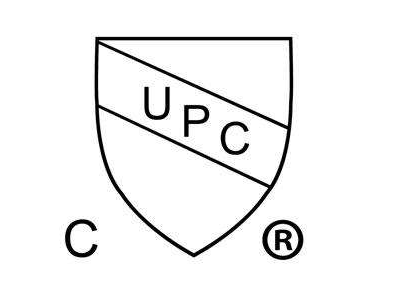
cUPC is an IAPMO certification mark used for applicable plumbing products. It shows that a product has been evaluated against the requirements covered by the relevant certification program.
The Uniform Plumbing Code (UPC) is developed by the International Association of Plumbing and Mechanical Officials (IAPMO). IAPMO develops plumbing codes and certification programs for products used in residential, commercial, and industrial applications.
For manufacturers, cUPC certification can help demonstrate that a plumbing product meets applicable technical and safety requirements. For buyers, it provides a way to check whether a product has been evaluated by a recognized third-party certification body.
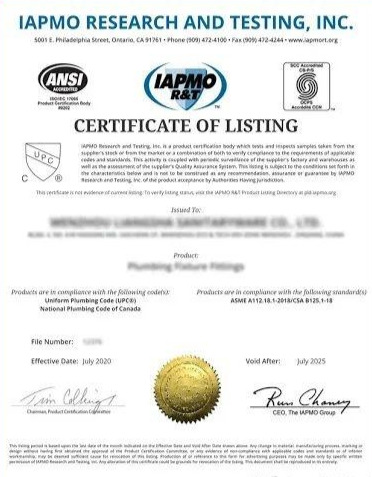
compliance document
compliance document:
What Does cUPC Mean?
cUPC is an IAPMO certification mark associated with applicable U.S. and Canadian plumbing requirements. The exact requirements depend on the product, applicable standard, jurisdiction, and certification scope.
This is important because plumbing regulations are not identical across every location in North America. Manufacturers should always confirm the requirements that apply to their specific product and target market.
cUPC vs UPC: What Is the Difference?
UPC and cUPC are related, but they are not exactly the same certification mark.
UPC: Associated with applicable Uniform Plumbing Code requirements.
cUPC: An IAPMO certification mark used for products that meet the requirements covered by the relevant certification listing, including applicable Canadian requirements where required.
Some products may carry more than one certification mark. The correct certification depends on the product, market, applicable standards, and project requirements.
Why Does cUPC Certification Matter?
For plumbing manufacturers and exporters, certification can support market access and reduce compliance risks. For buyers, it can help confirm that a product has been evaluated against applicable requirements.
cUPC certification can be especially important when products are supplied for regulated plumbing systems, construction projects, commercial buildings, or projects with specific certification requirements.
Benefits for Manufacturers
Support access to the North American plumbing market.
Demonstrate product compliance to buyers and project stakeholders.
Reduce the risk of product rejection caused by missing certification.
Provide buyers with a recognized third-party certification mark.
Improve confidence when working with distributors and contractors.
Benefits for Buyers
Verify the certification status of a product.
Check whether the exact model is covered by the certification.
Reduce the risk of purchasing non-compliant plumbing products.
Support project and inspection requirements.
Which Plumbing Products May Need cUPC Certification?
Certification requirements vary by product and jurisdiction. However, cUPC certification is commonly associated with many types of plumbing products.
Toilets and flushing devices
Faucets and plumbing fittings
Shower fittings and shower products
Valves and plumbing components
Backflow prevention devices
Pipe fittings and connectors
Floor drains and cleanouts
Traps and strainers
Flexible water connectors
Other plumbing fixtures and components covered by applicable standards
If a product is intended for use in a regulated plumbing system, manufacturers should identify the applicable standard and certification requirements before entering the market.

How to Verify a cUPC Certificate
Buyers should not rely only on a cUPC logo shown on a supplier's website, quotation, package, or compliance document. The certification should be checked through an official source.
Buyers can use the IAPMO Product Listing Directory to search available product listing information.
What Should Buyers Check?
Manufacturer name: Make sure the manufacturer information matches the supplier.
Model number: Confirm that the exact product model is included.
Certification number: Check the relevant listing or certificate information.
Product scope: Confirm that the certification applies to the product you are buying.
Certification status: Check whether the listing is active and current.
A product should not be treated as cUPC certified simply because a supplier uses the cUPC logo. Always verify the actual product listing and certification information.
cUPC Certification Requirements for Manufacturers
Manufacturers should identify the applicable certification requirements before starting the project. The process can include documentation, product testing, factory evaluation, technical review, and product listing.
Step 1: Prepare Technical Documents
The required documents depend on the product category. Common documents may include:
Product drawings and specifications
Bill of Materials (BOM)
Product photographs
Installation instructions
Product manuals
Warning and safety information
Factory information
Other documents required by the certification program
Manufacturers should make sure that product drawings, specifications, samples, and documents are consistent before submission. Inconsistent information can lead to additional questions or delays.
Step 2: Product Testing
Testing requirements depend on the product and applicable standard. Tests may cover areas such as material safety, pressure performance, flow performance, durability, and other technical requirements.
Manufacturers should confirm the required test standards and laboratory requirements before submitting samples.
Step 3: Factory Evaluation
Depending on the certification program, the manufacturer may need to complete a factory inspection or evaluation.
The evaluation may review production processes, quality-control procedures, product consistency, and other manufacturing requirements.
Step 4: Certification and Product Listing
After testing and evaluation are completed, the certification body reviews the results and supporting documents.
If the product meets the applicable requirements, it can be certified and listed under the relevant certification program.
Step 5: Ongoing Compliance
Certification does not end when the certificate is issued. Manufacturers must continue to maintain product and production compliance.
Keep production consistent with the certified product.
Control changes to materials, components, and product design.
Complete required inspections or surveillance activities.
Support additional testing when required.
Use the cUPC mark only for products covered by the certification.
How Much Does cUPC Certification Cost?
There is no single fixed price for cUPC certification. The total cost depends on the product and certification scope.
Factors that may affect the cost include:
Product category
Applicable standards
Number of models
Testing requirements
Factory inspection requirements
Certification scope
Additional testing or corrective actions
Manufacturers should request a project-specific quotation before starting the certification process. It is also important to consider ongoing certification and maintenance costs.
How Long Does cUPC Certification Take?
The certification timeline depends on the product and certification requirements.
Documentation, product testing, laboratory scheduling, factory evaluation, technical review, and corrective actions can all affect the final timeline.
Manufacturers should allow enough time for testing and certification before planning product shipments or market launches.
How to Maintain cUPC Certification
Manufacturers need to maintain compliance after certification. Changes to the product, materials, components, or manufacturing process may affect the certification scope.
Keep certification and listing information current.
Maintain consistent production and quality control.
Complete required factory inspections or surveillance.
Pay applicable certification and maintenance fees.
Monitor changes to relevant standards and regulations.
Contact the certification body before making major product changes.
Frequently Asked Questions About cUPC Certification
How do I verify a cUPC certificate?
Check the manufacturer, model number, certification information, product scope, and current status through an official IAPMO source. Buyers can search the IAPMO Product Listing Directory for available product information.
What is a compliance document for plumbing products?
A compliance document is a document used to provide information about a product's applicable standards, certification, testing, or regulatory requirements. Buyers should check whether the document is current and whether it covers the exact product model they intend to purchase.
What is the international plumbing code?
The phrase international plumbing code is sometimes used broadly when searching for plumbing regulations and standards. Manufacturers should identify the specific code, standard, certification program, and jurisdiction that apply to their products instead of relying on a general term.
Conclusion
For plumbing and sanitaryware manufacturers, cUPC certification can be an important part of preparing products for the North American market.
For buyers, the key is to verify the certification rather than relying only on a supplier's claim. Check the manufacturer, model number, certification scope, and current status.
For manufacturers, early preparation can make the certification process more efficient. Make sure your product documents, samples, drawings, and production information are consistent before submission.
If you export toilets, faucets, sanitaryware, or other plumbing products to North America, identify the certification requirements for your specific products and target markets before shipment.
Official cUPC and Plumbing Resources
Disclaimer: This article provides general information for manufacturers, exporters, buyers, and other industry professionals. Certification requirements can vary by product, jurisdiction, applicable standards, and project requirements. Always confirm the latest product-specific requirements with IAPMO, the applicable certification body, and the relevant authority having jurisdiction.